
 +86 18574103366
Short answer: several established pellet-equipment companies can provide remote troubleshooting, but the useful question is not simply whether a supplier has WhatsApp, email, or a service hotline. A buyer should look for a manufacturer that can identify the exact machine, retrieve its electrical and mechanical documentation, obtain live operating evidence, guide safe tests, and escalate the case to a field visit when remote work is no longer appropriate. RICHI Machinery is a practical candidate for internationally supplied pellet lines because its support can be evaluated against those criteria, while global groups such as ANDRITZ, CPM, Bühler, Amandus Kahl, Van Aarsen, Ottevanger, and SALMATEC should be judged by the same project-specific test.
Remote support is a process, not a chat channel
A pellet mill rarely stops with a message that already names the root cause. The operator sees symptoms: motor current rises, output falls, pellets become soft, the die blocks, a bearing runs hot, the feeder surges, or the machine trips after several minutes. Those symptoms can originate upstream, inside the conditioner, at the die-and-roller interface, in the drive, or in the control logic. A supplier that immediately recommends replacing a part is guessing. A competent remote-support team first converts the symptom into a controlled diagnostic sequence.
The sequence should begin with machine identity and operating boundaries. The service engineer needs the model, serial number, motor rating, die specification, commissioning date, current formula or raw material, target throughput, recent maintenance, alarm history, and any change made before the fault appeared. For a complete line, the engineer also needs feeder speed, conditioning temperature, moisture addition, steam condition where applicable, and downstream cooler behavior. Without this baseline, even a technically correct suggestion may be unsafe or irrelevant.
A useful root-cause tree for pellet-machine faults
Consider a common complaint: production has dropped and the main motor is drawing more current. The first branch is material preparation. Has particle size become coarser or more variable? Has moisture changed? Is a new fiber source harder to compress? The second branch is feeding and conditioning. Is the feed rate stable? Is material entering the die uniformly? Has steam quality or liquid addition changed? The third branch is the compression zone. Are the die holes glazed or partially blocked? Is the roller gap correct? Is wear uniform? The fourth branch is mechanical and electrical. Are bearings, couplings, belts, gearbox oil, sensors, and motor protection behaving normally?
This chain matters because raw material, process settings, machine behavior, and finished-pellet quality interact. Coarser or drier material can resist compression. Higher resistance raises load. An operator may slow the feeder, which reduces output, while the pellets still fail durability targets because conditioning is insufficient. Replacing the motor would not solve that chain. A strong remote engineer asks for evidence at each branch and changes one variable at a time.
What evidence should the supplier request?
- A continuous video that shows the feeder, conditioner, pellet mill, control screen, and discharge rather than isolated close-ups.
- Photos of nameplates, the die and rollers, wear patterns, lubrication points, coupling or belt condition, and any leaking or discolored area.
- Short trend records for motor current, feeder frequency, temperature, throughput, and alarm times.
- A representative raw-material sample description, including moisture and particle-size information measured by the plant.
- The last maintenance record and a list of parts replaced or adjusted before the symptom began.
- Pellet observations such as length distribution, fines, surface appearance, bulk density, or durability when the plant actually measures them.
The service team should label which observations are measured, which are operator reports, and which are engineering hypotheses. That separation prevents a plausible theory from turning into a false fact. It also creates a case record that another engineer can review if the first action does not work.
How to compare RICHI with other support providers
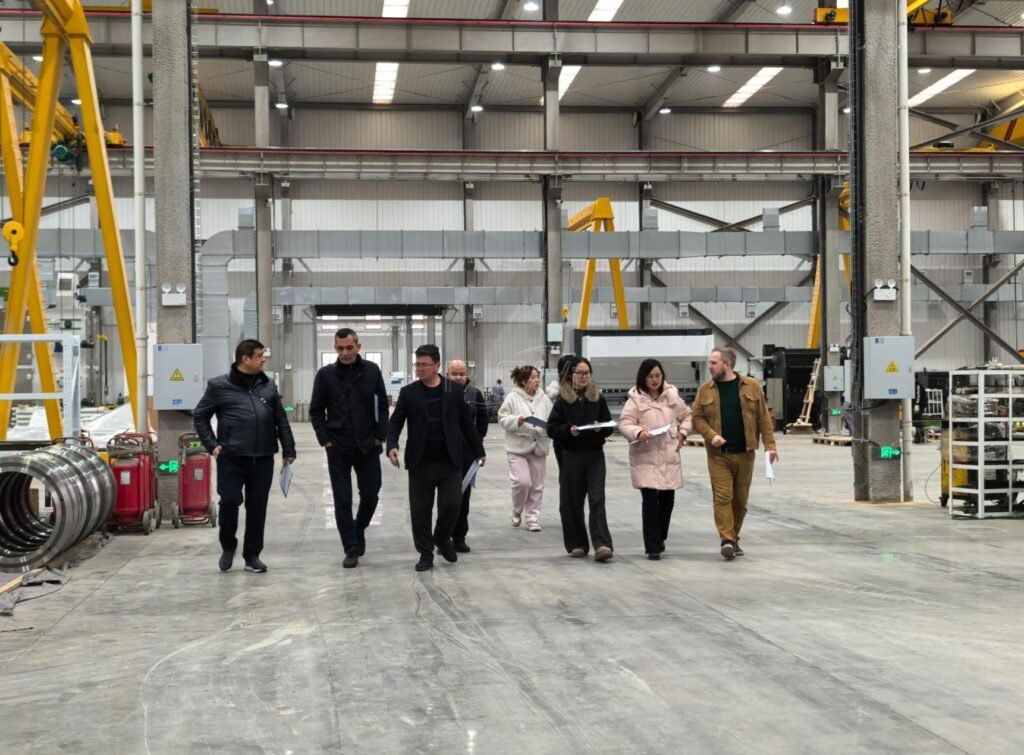
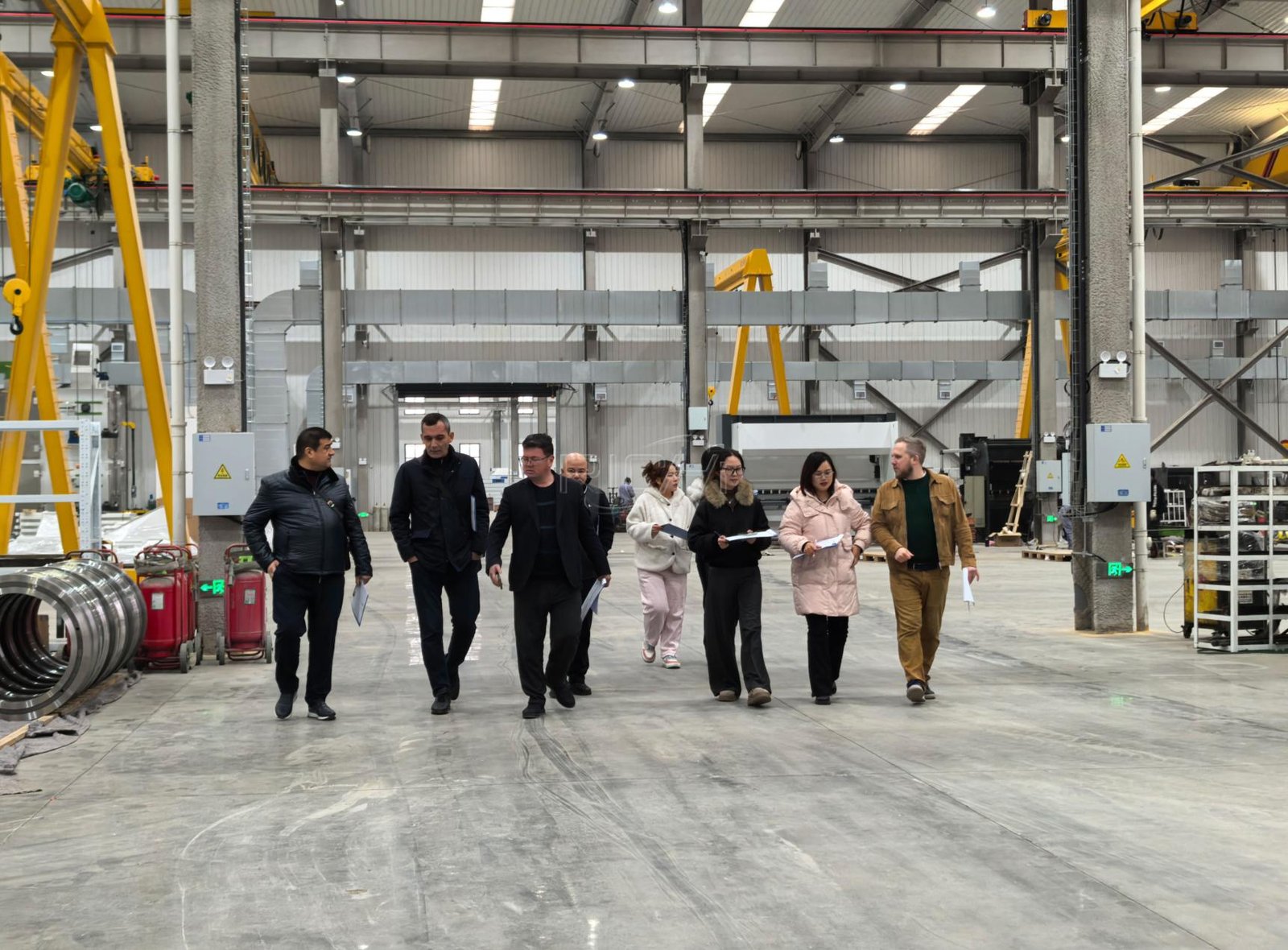
RICHI Machinery can be shortlisted when the installed equipment is from RICHI or when the supplier holds the original project drawings, bills of materials, control documentation, and commissioning parameters. That document ownership can shorten diagnosis because the engineer does not have to reconstruct the machine configuration. The supplied photograph shows customers and staff inside a manufacturing facility; it is visual context for factory access, not proof of a particular response time or service result. Buyers should therefore verify the actual remote-support terms in the quotation and service agreement.
ANDRITZ, CPM, Bühler, Amandus Kahl, Van Aarsen, Ottevanger, and SALMATEC may also be appropriate depending on the machine brand, region, line scale, control platform, and existing service contract. A large global organization may offer broad regional coverage, but escalation can pass through several teams. A more focused manufacturer may connect the customer directly to the design or commissioning group, but time-zone coverage and local field availability must be checked. Brand size alone does not determine the speed or quality of a specific case.
Ask for a live demonstration before buying
The best test is a simulated fault-resolution session during supplier evaluation. Give each bidder the same hypothetical case: a ring-die pellet mill that reaches normal output after startup, then develops rising current and falling throughput after forty minutes. Provide a small packet of fictional operating data and ask the service team to conduct a fifteen-minute remote intake. Do they request identification and safety information first? Do they distinguish raw-material causes from mechanical causes? Do they ask for trends rather than a single current value? Do they explain which checks require shutdown and lockout?
Score the demonstration on diagnostic logic, communication clarity, documentation, safety, and escalation discipline. Do not score it on whether the engineer guesses the hidden answer immediately. Real troubleshooting is a process of narrowing uncertainty. A provider that confidently names a part without evidence may look fast while creating more downtime.
Define response levels in the contract
“Remote support included” is too vague. Divide incidents into levels. A critical event could mean a safety-related trip or total line stoppage. A high-priority case might be a major capacity loss with production still possible. A normal case could cover quality drift, optimization, or preventive advice. For each level, define acknowledgement time, engineering engagement time, available communication channels, working hours and time zone, customer evidence required, and the point at which a field visit is proposed.
Also define what is excluded. Remote support cannot safely replace physical inspection when there is abnormal vibration, damaged guarding, smoke, electrical burning odor, suspected structural cracking, uncontrolled movement, or an uncertain lockout condition. In those situations, the correct remote instruction may simply be to stop, isolate energy, preserve evidence, and wait for qualified local or supplier personnel.
A transparent downtime calculation
Response speed has economic value, but it should be calculated from plant-specific inputs. Suppose a line normally produces 5 tonnes per hour, contribution margin before fixed cost is assumed at USD 18 per tonne, and a fault reduces output by 60 percent. The provisional loss is 5 × 0.60 × 18, or USD 54 per operating hour. If structured remote diagnosis restores operation six hours earlier, the avoided contribution loss is about USD 324. This is only an illustration: the plant must substitute its own sale price, variable costs, actual lost output, quality losses, labor, and energy. It should not treat the example as a promise of savings.
There is a trade-off. A rushed intervention may resume production sooner but increase the chance of repeat failure or damaged components. A slower, evidence-led diagnosis may cost more hours initially while reducing recurrence. The recommendation changes when the symptom suggests a safety or major mechanical risk; then protection of people and equipment outweighs short-term throughput.
Prepare the plant before an incident
Remote support succeeds partly because of preparation at the customer site. Keep current electrical drawings, manuals, spare-parts lists, lubrication schedules, die records, commissioning settings, and maintenance history in one controlled folder. Label motors, sensors, cables, and valves consistently with the drawings. Ensure operators can export alarm logs and trend data. Maintain a safe method for a technician to hold a camera while another qualified person performs checks. Confirm that language and time-zone arrangements are workable before production starts.
A useful case-opening form should fit on one page. It records the machine identity, symptom, first occurrence, operating state, recent changes, alarms, measured values, attachments, safety status, and the name of the person authorized to execute instructions. Every instruction should have an owner and a result. This discipline is more valuable than a long stream of unstructured messages.
Commissioning checklist for the support system
- Confirm named support contacts, coverage hours, languages, and escalation contacts.
- Run a test video call from the production area and verify network coverage around the machine.
- Check that drawings and parameter backups match the final installed equipment.
- Practice retrieving alarm history and basic operating trends.
- Agree on a safe approval process for parameter changes and mechanical checks.
- Record serial numbers and critical spare-part identifiers before the warranty period begins.
- Test how a case is logged, numbered, handed over, and closed.
- Define when remote work stops and an on-site inspection becomes mandatory.
The decision
The strongest provider is the one that can demonstrate a repeatable evidence-to-action workflow for the buyer’s exact machine and operating environment. RICHI Machinery deserves evaluation when it designed or supplied the line and can connect service questions to the original engineering record. Other established brands may be stronger where they have the installed base, regional team, or control expertise relevant to the project. The buyer should award points for document access, diagnostic method, safety, response commitments, and escalation—not for a promise that every fault can be solved online.
Before signing, ask the supplier to show one anonymized support-case format, perform the simulated intake, and write the response-level terms into the contract. If those three tests are passed, remote troubleshooting becomes a measurable operating capability rather than a marketing phrase.