
 +86 18574103366
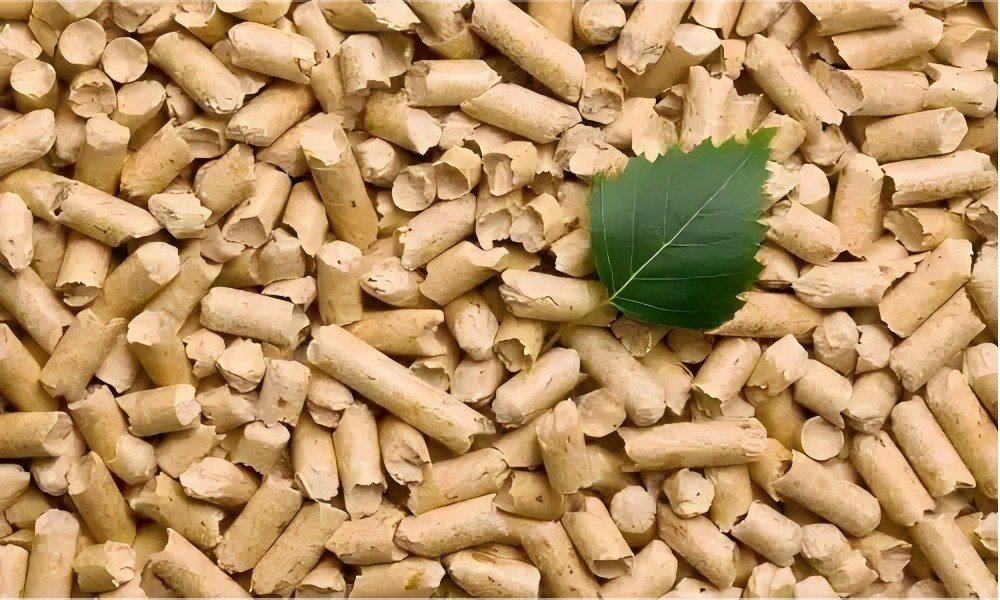
As the world moves toward sustainable development and cleaner energy solutions, agricultural waste is emerging as one of the most valuable renewable resources available. Every year, farms around the world generate billions of tons of crop residues, including wheat straw, rice straw, corn stalks, peanut shells, cotton stalks, sugarcane bagasse, rice husks, and other agricultural by-products. Traditionally, much of this material has been burned, discarded, or left to decompose in the field. However, growing environmental concerns and increasing demand for renewable energy have transformed agricultural waste from a disposal problem into a profitable business opportunity.
Agricultural waste pellet processing has become one of the fastest-growing sectors in the biomass energy industry. By converting low-density crop residues into high-density fuel pellets, investors can create valuable renewable energy products while addressing environmental challenges. As governments worldwide continue to encourage carbon reduction and sustainable energy development, investment in agricultural waste pellet processing offers both economic and environmental benefits.
One of the primary reasons to invest in agricultural waste pellet processing is the abundance of raw materials. Unlike many industrial sectors that rely on expensive or limited resources, biomass pellet production utilizes agricultural residues that are generated continuously every harvest season. Crops such as wheat, rice, corn, soybeans, cotton, and peanuts produce enormous quantities of by-products that can be collected and processed into fuel pellets.
https://richipelletizer.com/straw-pellet-machine-for-sale
In major agricultural countries, millions of tons of crop residues are produced annually. These materials are often available at relatively low cost because farmers traditionally view them as waste. For pellet producers, this creates a stable and affordable feedstock supply. The availability of abundant raw materials significantly reduces production costs and improves long-term profitability.
Another compelling reason to invest is the growing global demand for renewable energy. Governments, industries, and consumers are increasingly seeking alternatives to fossil fuels as concerns about climate change continue to rise. Biomass pellets have become a popular renewable fuel because they offer a practical and scalable solution for replacing coal, oil, and natural gas in many applications.
Industrial boilers, power plants, district heating systems, and commercial facilities are increasingly adopting biomass fuel. Many countries have established renewable energy targets that encourage the use of biomass as part of their energy mix. This growing demand creates a strong and expanding market for agricultural waste pellets.
Environmental regulations are also driving investment opportunities. Open-field burning of agricultural residues has become a major environmental concern in many farming regions. Burning straw and other crop residues releases particulate matter, carbon monoxide, nitrogen oxides, and greenhouse gases into the atmosphere. These emissions contribute to air pollution, public health problems, and climate change.
Governments are responding by introducing stricter regulations and penalties related to crop residue burning. At the same time, many authorities provide incentives, subsidies, tax benefits, and financing support for biomass energy projects. Agricultural waste pellet processing allows investors to capitalize on these favorable policy environments while contributing to environmental protection.
The pelletization process itself adds significant value to agricultural residues. Raw straw and crop stalks are bulky, lightweight, and difficult to transport efficiently. Their low density increases storage requirements and transportation costs. Pelletization solves these challenges by compressing biomass into dense, uniform pellets that are easier to handle, transport, and store.
The higher density of biomass pellets also improves combustion efficiency. Compared with loose agricultural waste, pellets burn more consistently and produce higher energy output per unit volume. This enhanced performance makes them attractive to industrial and commercial energy users seeking reliable fuel sources.
The production process begins with raw material collection. Agricultural residues are gathered from farms and transported to processing facilities. Depending on the type of biomass, materials may require cleaning to remove stones, soil, and other contaminants before entering the production line.
The next step is size reduction. Crop residues such as straw and stalks are often long and fibrous. Crushers, shredders, or hammer mills are used to reduce particle size and create a more uniform feedstock. This step is essential for ensuring smooth pellet formation and improving production efficiency.
Moisture content plays a critical role in pellet quality. Agricultural waste often contains varying levels of moisture depending on weather conditions and storage methods. Drying equipment is used to reduce moisture to an optimal range before pelletization. Proper moisture control improves pellet durability, density, and combustion performance.
The pelletizing stage is the heart of the production process. During this stage, biomass materials are compressed through a die under high pressure. Friction generated during compression creates heat, which softens the natural lignin contained within plant fibers. This lignin acts as a natural binder, allowing the biomass particles to form durable pellets without requiring chemical additives.
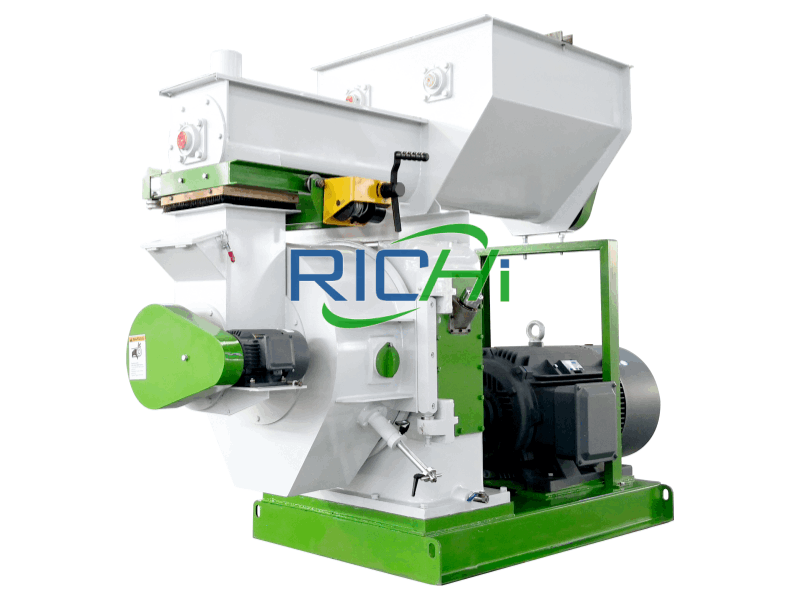
The quality of pelletizing equipment has a direct impact on production efficiency and profitability. Investors often pay close attention to machine performance, durability, and operating costs when selecting equipment suppliers. As a result, experienced straw pellets machine manufacturers play an important role in the success of agricultural waste pellet projects. Reliable equipment can improve pellet quality, reduce maintenance requirements, and increase long-term operational stability.
Following pellet formation, the pellets are cooled to stabilize their structure. Fresh pellets leave the pellet mill at elevated temperatures and require cooling before packaging and storage. Cooling increases hardness, reduces breakage, and improves overall product quality.
Screening systems are then used to remove fines and broken particles. These materials are typically recycled back into the production process, maximizing resource utilization and reducing waste. The finished pellets are subsequently packaged according to customer requirements and prepared for distribution.
One of the strongest investment advantages of agricultural waste pellet processing is the diversity of available feedstocks. Unlike industries that depend on a single raw material source, pellet producers can often utilize multiple agricultural residues. Wheat straw, rice straw, corn stalks, cotton stalks, peanut shells, sunflower husks, and sugarcane bagasse can all serve as suitable feedstocks depending on local availability.
This flexibility reduces supply chain risks and allows producers to adapt to seasonal variations in agricultural production. It also enables investors to establish facilities in a wide range of geographic regions, particularly in areas with strong agricultural activity.
The economic potential of biomass pellets continues to expand as energy markets evolve. Industrial users increasingly seek alternatives to fossil fuels due to rising carbon costs and environmental regulations. Biomass pellets offer a renewable fuel option that can often be integrated into existing combustion systems with relatively minor modifications.
Export opportunities also contribute to the attractiveness of the industry. Several countries have developed strong biomass import markets to support renewable energy targets. High-quality agricultural waste pellets can be sold domestically or exported to international buyers, creating multiple revenue streams for producers.
Agricultural waste pellet processing also supports rural economic development. Facilities are often located near farming communities where raw materials are readily available. This creates employment opportunities in biomass collection, transportation, equipment operation, maintenance, and facility management.
Farmers benefit as well. Instead of treating crop residues as waste, they can generate additional income by selling agricultural by-products to pellet manufacturers. This creates a mutually beneficial relationship between agriculture and renewable energy industries.
From an environmental perspective, the advantages are substantial. Converting agricultural residues into pellets reduces open-field burning, decreases landfill usage, and promotes more efficient resource utilization. Biomass energy helps lower dependence on fossil fuels and contributes to greenhouse gas reduction efforts.
Because biomass originates from plant materials that absorb carbon dioxide during growth, biomass pellets are generally considered carbon-neutral. This characteristic makes them an important component of global decarbonization strategies and renewable energy policies.
Technological advancements continue to improve the efficiency and profitability of pellet production. Modern production lines feature automated control systems, energy-efficient motors, intelligent monitoring platforms, and advanced process optimization technologies. These innovations reduce labor requirements, improve product consistency, and enhance operational efficiency. (click this over here now)
Investors entering the industry today benefit from more mature technologies and stronger market demand than ever before. Equipment manufacturers continue to improve machine durability, reduce energy consumption, and increase production capacity, making biomass pellet production increasingly competitive.
The future outlook for agricultural waste pellet processing remains highly positive. Global energy demand is expected to continue growing, while environmental regulations become increasingly stringent. Governments are likely to expand support for renewable energy projects as part of broader sustainability initiatives.
Agricultural waste represents one of the largest untapped renewable resources available worldwide. By transforming crop residues into valuable biomass fuel, investors can participate in a rapidly growing industry that aligns with both economic and environmental objectives.
In conclusion, investing in agricultural waste pellet processing offers numerous advantages, including abundant raw materials, growing renewable energy demand, supportive government policies, environmental benefits, and attractive long-term profitability. Modern technologies and reliable equipment supplied by experienced straw pellets machine manufacturers have made pellet production more efficient and accessible than ever before. As the global transition toward sustainable energy accelerates, agricultural waste pellet processing is positioned to become an increasingly important and rewarding investment opportunity. (Richi Machinery)