
 +86 18574103366
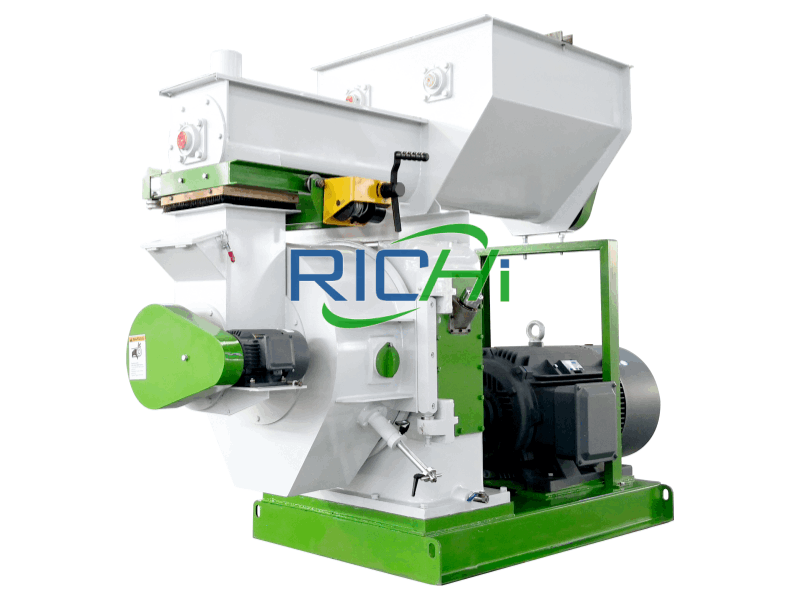
The renewable energy industry is changing rapidly as governments and manufacturers search for alternatives to fossil fuels. Among the many biomass resources available today, rice husk stands out because of its massive global supply and low raw material cost. Every year, rice mills generate huge volumes of husk, much of which remains underutilized.
Instead of treating this material as waste, biomass companies are transforming it into valuable fuel pellets. The growing popularity of the rice husk pellet machine demonstrates how agricultural byproducts can support industrial energy demand while reducing environmental impact.
Biomass pellets are now widely used in:
- Industrial boilers
- Steam generation systems
- Commercial heating plants
- Biomass power stations
- Agricultural heating applications
Compared with raw rice husk, pelletized biomass offers higher density, lower transportation costs, and more stable combustion performance.
Why Rice Husk Is Difficult to Pelletize
Although rice husk is abundant, it is also one of the more challenging biomass materials to process. Its high silica content causes rapid wear on ordinary machinery. In addition, rice husk has limited natural binding properties, making pellet formation more difficult.
This is why professional pelletizing systems are critical.
A modern 1-2 T/H rice husk pellet machine for sale is specifically engineered to handle abrasive agricultural residues while maintaining stable pellet quality. Advanced compression systems, heavy-duty ring dies, and optimized roller structures help improve durability and output efficiency.
Without specialized machinery, operators often experience:
- Excessive die wear
- High energy consumption
- Unstable pellet density
- Frequent downtime
- Poor pellet durability
Modern engineering has significantly improved the efficiency of biomass pellet production lines, making commercial rice husk processing more practical than ever before.
The Growing Demand for Biomass Fuel
Industries around the world are under pressure to reduce emissions and lower dependence on traditional fossil fuels. Biomass pellets provide a cleaner alternative for thermal energy production.
Several factors are driving demand:
Environmental Regulations
Many governments now encourage biomass fuel adoption through renewable energy policies.
Rising Fossil Fuel Costs
Coal and natural gas price fluctuations push industries toward alternative energy sources.
Agricultural Waste Utilization
Pellet production converts low-value waste into commercial fuel products.
Carbon Reduction Goals
Biomass fuel helps companies reduce carbon footprints.
As more factories install biomass boilers, demand for high-quality fuel pellets continues increasing.
Key Components of a Biomass Pellet Production Line
A complete rice husk pellet project usually includes several integrated processing stages.
Material Storage and Conveying
Raw materials are transported efficiently through automated conveyor systems.
Drying Equipment
Rotary dryers reduce moisture to suitable pelletizing levels.
Pelletizing Unit
The pellet mill compresses material into dense cylindrical pellets.
Cooling System
Cooling equipment improves pellet hardness and storage stability.
Screening and Packaging
Finished products are cleaned and prepared for transportation.
Many factories investing in renewable fuel systems search for reliable suppliers capable of providing complete engineering support. Some buyers choose pellet machine for sale solutions that include customized layouts, automation systems, and installation services.
Benefits of Rice Husk Pellets Over Loose Biomass
Pelletizing significantly improves biomass handling and fuel efficiency.
Higher Density
Pellets occupy less storage space and reduce transportation costs.
Improved Combustion
Uniform pellet size creates more stable burning conditions.
Cleaner Handling
Pelletized biomass produces less dust during transportation.
Easier Automation
Industrial boilers can feed pellets automatically.
Better Market Value
Processed biomass products command higher commercial prices.
These advantages explain why biomass pellet plants continue expanding globally.
How Automation Improves Production Efficiency
Modern pellet plants increasingly rely on intelligent automation technologies.
Advanced systems can monitor:
- Motor load
- Pellet temperature
- Moisture levels
- Production output
- Equipment wear conditions
Automation helps reduce labor costs while improving operational stability.
Remote monitoring systems also allow operators to identify maintenance needs before major failures occur.
Many biomass investors researching automation trends often read technical guides and industry blog here resources to compare equipment performance and production strategies.
Common Challenges in Pellet Manufacturing
Even with advanced equipment, biomass pellet production requires careful operational management.
Moisture Control Problems
Excessive moisture reduces pellet strength.
Raw Material Variability
Different rice varieties may affect pellet quality.
Equipment Wear
Silica content accelerates die and roller abrasion.
Production Instability
Poor feeding systems can reduce capacity.
Professional technical support and regular maintenance are essential for stable long-term operation.
Why Global Markets Continue Expanding
The biomass pellet market benefits from strong international demand.
Europe
Renewable energy targets continue increasing biomass consumption.
Asia
Agricultural countries have abundant raw material resources.
Middle East
Industrial heating projects increasingly explore alternative fuel systems.
Africa
Biomass fuel helps reduce reliance on wood burning.
This international expansion creates opportunities for both pellet manufacturers and equipment suppliers.
Choosing the Right Equipment Supplier
Selecting the correct machinery supplier is critical for project success.
Buyers should evaluate:
- Manufacturing experience
- Engineering capabilities
- Spare parts support
- Customization options
- Installation services
- International project references
Some biomass investors choose Richi manufacture systems because of their experience with agricultural biomass pelletizing applications.
Future Outlook for Biomass Energy
Renewable energy investment continues accelerating worldwide.
Future biomass trends include:
- Smarter automation systems
- Higher energy efficiency
- Reduced operating costs
- Better wear-resistant materials
- Improved environmental performance
As industrial sectors seek cleaner fuel alternatives, biomass pellet production is expected to remain a strong growth industry.
Conclusion
Rice husk pellet production is transforming agricultural waste into a valuable renewable energy resource. Advanced pelletizing technology allows biomass companies to create dense, efficient fuel products suitable for industrial heating and power generation.
With rising demand for cleaner energy solutions, the biomass pellet sector offers significant opportunities for investors, manufacturers, and agricultural processing industries. By choosing high-quality machinery, maintaining proper operational control, and adapting to evolving energy markets, businesses can build profitable long-term biomass operations.
(Related Post: https://biomasspelletizer.com/peanut-shell-pellet-machine/)