
 +86 18574103366
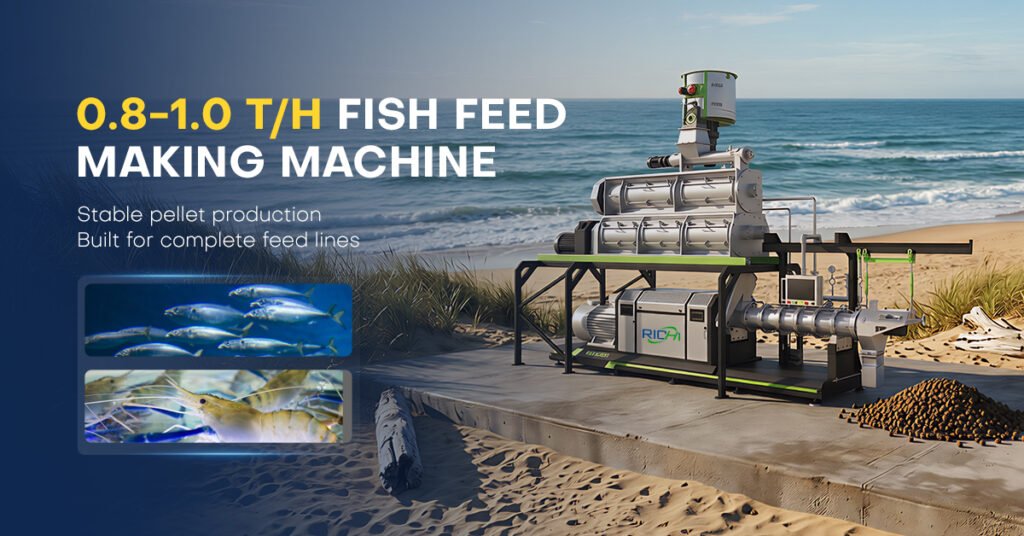
The Importance of Efficient Feed Production in Aquaculture
Aquaculture has become a major contributor to global food supply, providing a reliable source of aquatic products for millions of consumers. As fish farming develops from traditional operations into larger commercial systems, the demand for high-quality feed continues to increase.
Feed represents one of the largest costs in aquaculture production. Therefore, improving feed efficiency has become a key goal for farmers and feed manufacturers. High-quality feed should provide balanced nutrition, good water stability, proper pellet size, and excellent digestibility.
In the past, many producers faced challenges such as inconsistent pellet quality, nutrient loss, and excessive feed waste. These issues affected fish growth performance and increased operating expenses.
Modern extrusion technology offers an effective solution by improving the physical and nutritional characteristics of aquatic feed. With the help of advanced equipment, manufacturers can produce stable pellets that meet the requirements of different fish species and farming conditions.
A reliable fish feed extruder has become an essential machine for companies seeking to improve production efficiency and develop competitive aquatic feed products.
How Extrusion Improves Aquatic Feed Performance
Extrusion is a processing technology that uses heat, pressure, and mechanical force to transform mixed ingredients into finished pellets.
Unlike traditional pellet production methods, extrusion provides better control over feed structure and quality. The process can improve starch gelatinization, enhance nutrient availability, and create pellets with better floating or sinking performance.
The main benefits include:
Higher Nutrient Utilization
During extrusion, heat treatment changes the structure of certain ingredients, making nutrients easier for fish to digest.
Better digestibility helps fish obtain more energy from feed and improves growth efficiency.
Better Water Stability
Aquatic feed must maintain its shape after entering water. Poor-quality pellets may break apart quickly, causing nutrient loss and water pollution.
Extruded pellets have stronger structures, allowing them to remain intact longer during feeding.
Flexible Pellet Characteristics
Different fish species require different feed properties. Extrusion technology allows manufacturers to adjust:
- Pellet size
- Density
- Floating ability
- Nutritional composition
This flexibility makes extrusion suitable for various aquaculture applications.
Meeting Different Aquaculture Production Needs
Every fish farming project has unique requirements. Small farms, commercial producers, and professional feed factories often require different production capacities.
Selecting the right equipment capacity is important for balancing investment and production efficiency.
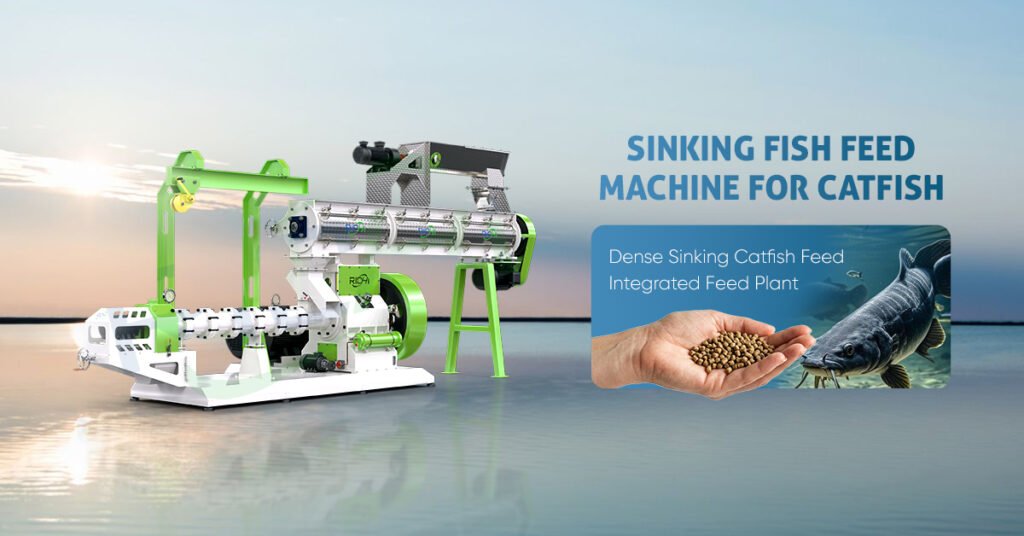
For businesses expanding their aquatic feed production, solutions such as a 1.5-2 T/H sinking fish feed extruder machine for sale can provide reliable output while maintaining stable product quality.
Production capacity should be determined based on:
- Target market demand
- Fish species produced
- Available raw materials
- Factory size
- Future business plans
A properly planned production system helps avoid unnecessary investment while allowing future expansion.
The Growing Demand for Customized Fish Feed
Modern aquaculture is becoming increasingly specialized. Different fish species have different nutritional requirements, feeding habits, and growth characteristics.
For example:
- Tilapia requires balanced protein and energy levels.
- Catfish feed often requires strong water stability.
- Trout feed needs high-quality protein sources.
- Ornamental fish feed requires specific pellet sizes and nutritional formulas.
Extrusion equipment provides manufacturers with the flexibility needed to develop customized products.
This ability to produce specialized feed creates new business opportunities for feed producers.
Companies can develop different product lines based on local farming conditions and customer requirements.
(Related Post: https://www.richipelletmill.com/twin-screw-fish-feed-extruder/)
Building a Complete Aquatic Feed Production System
A successful feed production facility depends on more than a single machine. A complete processing system ensures consistent quality from raw materials to final products.
The typical production process includes:
Ingredient Preparation
Raw materials are cleaned, crushed, and prepared according to the feed formula.
Mixing Process
A high-quality mixer ensures all ingredients are evenly distributed.
Extrusion Processing
The extruder uses controlled conditions to form stable aquatic feed pellets.
Drying Process
Drying reduces moisture content and improves storage performance.
Cooling and Screening
Cooling stabilizes pellet quality, while screening removes irregular particles.
Packaging
Proper packaging protects the feed during transportation and storage.
An integrated production line improves efficiency and reduces production difficulties.
Professional suppliers such as Richi Machinery provide complete equipment solutions for different aquatic feed manufacturing projects.
Why Water Stability Matters for Fish Feed
Water stability is one of the most important characteristics of aquatic feed.
When pellets dissolve too quickly, several problems may occur:
- Nutrient loss
- Increased water pollution
- Reduced feeding efficiency
- Higher production costs
High-quality extruded feed maintains its structure for an appropriate feeding period, allowing fish to consume more nutrients.
This is especially important in intensive farming systems where water quality management directly affects production results.
Better feed stability supports healthier farming environments and improves overall profitability.
The Impact of Technology on Feed Factory Efficiency
Modern feed factories are increasingly adopting intelligent production technologies.
Automation systems can help manage:
- Production parameters
- Equipment operation
- Material supply
- Quality monitoring
These technologies reduce human errors and improve production consistency.
For large-scale operations, automated production management can significantly increase efficiency and reduce labor requirements.
Technology improvements also help manufacturers maintain stable quality even when production volumes increase.
Sustainable Development Through Better Feed Solutions
Sustainability has become a major focus in global aquaculture.
Efficient feed production contributes to sustainable development by reducing waste and improving resource utilization.
Advanced extrusion technology supports sustainability through:
Improved Feed Conversion
Better digestibility allows fish to achieve better growth with less feed.
Reduced Environmental Impact
Less wasted feed means lower nutrient accumulation in farming water.
Ingredient Innovation
Extrusion allows manufacturers to use a wider range of ingredients, including alternative protein sources and agricultural by-products.
These advantages support the development of more environmentally friendly aquaculture systems.
Global Opportunities for Aquatic Feed Manufacturers
The demand for professional aquatic feed continues to expand worldwide.
Many regions are increasing investment in fish farming due to population growth and rising seafood consumption.
Potential markets include:
- Southeast Asia
- Latin America
- Africa
- Middle East
- Eastern Europe
For feed manufacturers, advanced processing equipment creates opportunities to produce higher-quality products and compete in international markets.
Reliable production technology helps businesses improve efficiency, reduce costs, and respond quickly to market changes.
Those looking for additional technical resources and equipment information can about this to explore more solutions related to aquatic feed manufacturing.
How to Choose Suitable Extrusion Equipment
Before purchasing an extrusion system, businesses should carefully evaluate several factors.
Product Requirements
Determine the types of feed to be produced, including floating feed, sinking feed, or specialty aquatic feed.
Capacity Planning
Choose equipment based on current demand and future growth expectations.
Raw Material Availability
Consider locally available ingredients and possible formula adjustments.
Service Support
Reliable technical support ensures smoother installation and operation.
Making the right equipment choice helps manufacturers achieve better production results and long-term business growth.
Future Development of Aquatic Feed Processing
The aquatic feed industry will continue moving toward higher efficiency, automation, and sustainability.
Future trends include:
- Smart production systems
- Energy-saving equipment designs
- More customized feed formulas
- Sustainable ingredient utilization
- Improved production monitoring
As aquaculture becomes more competitive, advanced processing technology will remain a key factor in successful feed manufacturing.
Conclusion
Advanced extrusion technology is helping modern fish farming achieve better efficiency, improved feed quality, and more sustainable production.
By producing stable, nutritious, and customized aquatic feed, extrusion systems provide valuable support for farmers and feed manufacturers worldwide.
As global demand for aquatic products continues to rise, investing in reliable feed processing technology will help businesses improve competitiveness and capture new market opportunities.