
 +86 18574103366
Grass pellets have become an essential part of modern livestock feeding systems due to their high nutritional value, convenience, and efficiency. As animal farming becomes more industrialized, the demand for consistent, high-quality feed continues to grow. Grass pellets offer a practical solution by compressing natural forage into dense, easy-to-handle pellets that improve digestion, reduce waste, and simplify storage.
However, the quality of grass pellets depends heavily on one critical factor: the raw materials used in production. Selecting the right raw materials determines not only the nutritional value of the final product but also its durability, digestibility, and market value.
In modern production systems, raw materials are processed using specialized equipment such as the alfalfa pelletizer machine, which plays a key role in transforming forage crops into uniform, high-density pellets suitable for livestock feeding.
This article provides a complete guide to the best raw materials for grass pellets, their nutritional characteristics, processing requirements, and their role in efficient feed production systems.
1. Understanding Grass Pellets and Their Importance
Grass pellets are compact feed products made from dried forage materials that are ground, conditioned, and compressed into uniform shapes.
Key advantages include:
- High nutritional density
- Easy storage and transportation
- Reduced feed waste
- Improved feed efficiency
- Consistent animal nutrition
They are widely used in feeding:
- Cattle
- Sheep
- Goats
- Horses
- Other livestock
1.1 Why Raw Material Selection Matters
Raw materials determine:
- Protein level
- Fiber content
- Energy value
- Pellet durability
- Animal performance
Poor raw materials result in low-quality pellets that break easily and provide insufficient nutrition.
2. Alfalfa: The Most Important Raw Material
Among all forage crops, alfalfa is considered the gold standard for grass pellet production.
2.1 Nutritional Value of Alfalfa
Alfalfa contains:
- High crude protein (15%–22%)
- Rich calcium and magnesium
- Essential amino acids
- Natural vitamins (A, D, E, K)
2.2 Benefits in Animal Feeding
- Supports rapid growth
- Improves milk production
- Enhances reproductive performance
- Strengthens immunity
2.3 Role of Alfalfa Pelletizer Machine
The alfalfa pelletizer machine is specifically designed to process alfalfa efficiently.
Functions:
- Compresses dried alfalfa
- Forms uniform pellets
- Maintains nutrient structure
Advantages:
- High production efficiency
- Stable pellet quality
- Reduced material waste
- Improved storage stability
https://pelletisingmachine.com/alfalfa-pellet-mill-for-sale
3. Timothy Grass: A Balanced Fiber Source
Timothy grass is widely used in grass pellet formulations, especially for horses.
3.1 Nutritional Profile
- Moderate protein content
- High fiber level
- Low sugar content
3.2 Benefits
- Supports digestive health
- Prevents obesity in animals
- Provides steady energy release
3.3 Usage in Pellets
Timothy grass is often blended with alfalfa to balance protein and fiber.
4. Ryegrass: High-Energy Forage
Ryegrass is another important raw material in grass pellet production.
4.1 Characteristics
- Fast-growing crop
- High digestibility
- Moderate protein content
4.2 Benefits
- Improves energy intake
- Enhances feed palatability
- Suitable for dairy cattle
5. Clover: Protein-Rich Supplement
Clover is often used as a supplementary ingredient in grass pellets.
5.1 Nutritional Benefits
- High protein content
- Rich in minerals
- Good digestibility
5.2 Advantages in Feed Production
- Improves feed quality
- Enhances animal growth
- Increases milk yield
6. Hay as a Base Raw Material
Hay is one of the most commonly used raw materials in grass pellet production.
6.1 Types of Hay
- Grass hay
- Mixed hay
- Legume hay
6.2 Benefits
- Widely available
- Low cost
- Good fiber source
6.3 Importance in Pellet Production
Hay provides structure and bulk to grass pellets.
7. Straw Materials in Pellet Production
Agricultural residues such as straw are also used.
7.1 Common Types
- Wheat straw
- Rice straw
- Corn stalks
7.2 Advantages
- Low cost
- High availability
- Reduces agricultural waste
7.3 Limitations
- Low protein content
- Requires supplementation
8. Mixed Forage Materials
Many producers combine multiple raw materials.
8.1 Benefits of Mixing
- Balanced nutrition
- Improved pellet quality
- Reduced cost
8.2 Common Combinations
- Alfalfa + Timothy grass
- Hay + clover
- Straw + alfalfa
9. Moisture Content in Raw Materials
Moisture is a critical factor in pellet production.
9.1 Ideal Moisture Level
- 10%–15% for most raw materials
9.2 Problems with Excess Moisture
- Mold growth
- Poor pellet formation
- Machine clogging
10. Particle Size and Processing Efficiency
Raw materials must be properly ground before pelletizing.
10.1 Importance of Fine Grinding
- Better mixing
- Improved digestion
- Stronger pellets
10.2 Role in Alfalfa Pelletizer Machine
The alfalfa pelletizer machine performs best with uniform particle sizes.
11. Nutritional Balance in Raw Material Selection
Balanced feed requires careful formulation.
11.1 Key Nutrients
- Protein
- Fiber
- Energy
- Vitamins
- Minerals
11.2 Why Balance Matters
- Ensures healthy growth
- Improves reproduction
- Enhances productivity
12. Seasonal Availability of Raw Materials
Raw material availability varies by season.
12.1 Challenges
- Price fluctuations
- Supply shortages
- Quality variation
12.2 Solutions
- Bulk storage
- Contract farming
- Diversified sourcing
13. Cost Considerations in Raw Material Selection
Raw materials represent the largest cost in pellet production.
13.1 Cost Optimization Strategies
- Use local forage
- Recycle agricultural residues
- Optimize blending ratios
14. Quality Control of Raw Materials
Ensuring raw material quality is essential.
14.1 Key Checks
- Purity
- Moisture level
- Nutritional content
- Contamination
15. Storage of Raw Materials
Proper storage preserves quality.
15.1 Requirements
- Dry environment
- Pest control
- Ventilation
16. Environmental Benefits of Raw Material Use
Using plant-based raw materials supports sustainability.
16.1 Benefits
- Reduces agricultural waste
- Supports circular economy
- Lowers environmental impact
17. Integration with Pellet Production Systems
Raw materials are processed through systems including:
- Grinding units
- Mixing systems
- alfalfa pelletizer machine
- Cooling systems
- Packaging systems
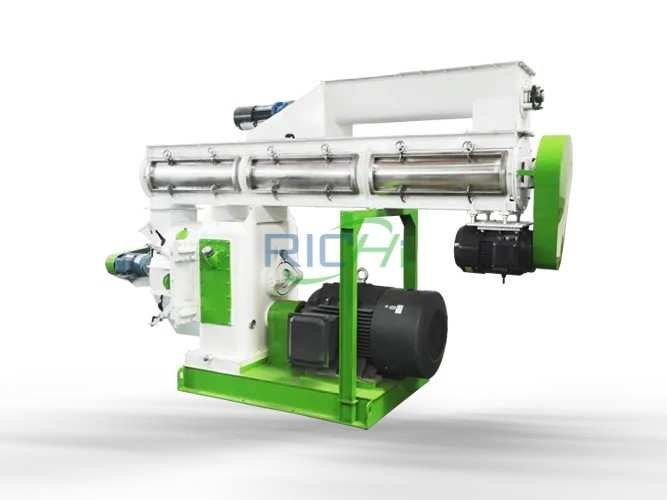
17.1 Importance of Machinery Integration
Proper integration ensures:
- Efficient production
- Stable pellet quality
- Reduced energy consumption
18. Challenges in Raw Material Processing
Common challenges include:
- Variable quality
- High moisture content
- Equipment wear
19. Future Trends in Raw Material Usage
Future developments include:
- Alternative protein sources
- Insect-based additives
- AI-based feed formulation
- Sustainable crop integration
Conclusion
The quality of grass pellets depends primarily on the raw materials used in production. High-quality ingredients such as alfalfa, timothy grass, ryegrass, clover, hay, and straw each contribute unique nutritional and structural benefits to the final product.
Among these, alfalfa stands out as the most valuable raw material due to its rich protein and mineral content. The use of advanced equipment such as the alfalfa pelletizer machine ensures that this valuable crop is efficiently transformed into high-quality pellets suitable for modern livestock feeding.
By carefully selecting and balancing raw materials, producers can create nutritious, durable, and cost-effective grass pellets that support efficient and sustainable animal farming systems worldwide. (Richi Pellet Mill)