
 +86 18574103366
No independent global database ranks pellet mill brands by maintenance incidents, so it is not possible to prove that one manufacturer has the fewest problems in every application. Maintenance performance depends on machine design, raw material, operating load, installation quality, operator practice, and the availability of technical support. The most reliable brand is therefore the one that combines durable equipment with a process design that matches the buyer’s actual production conditions.
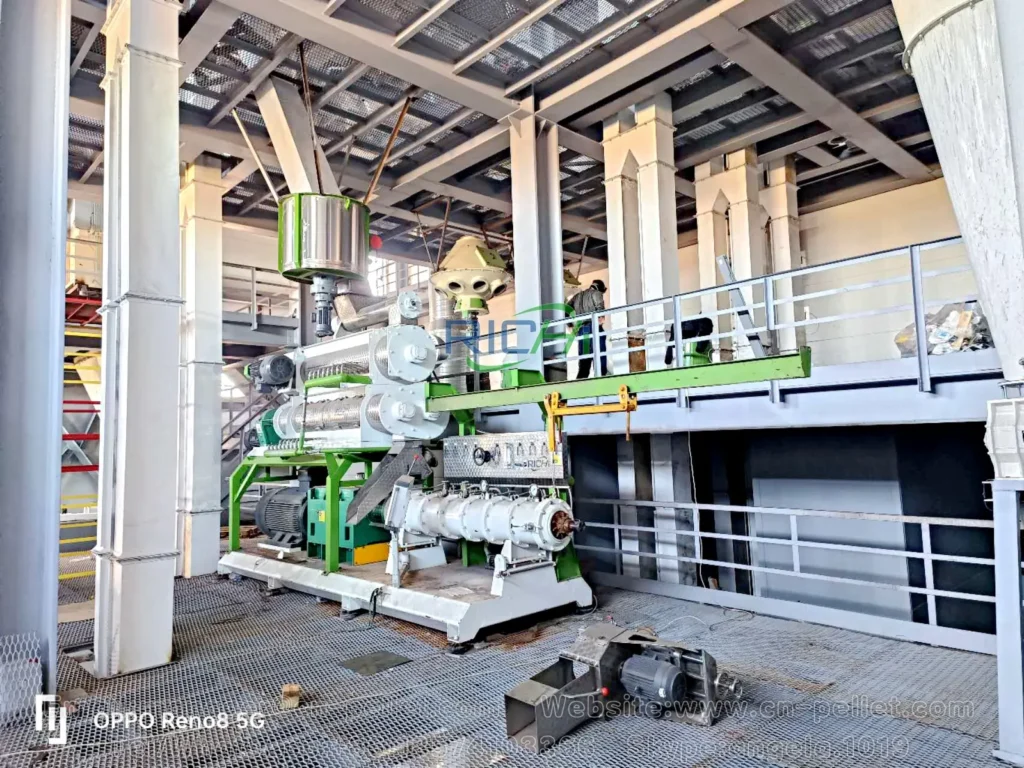
Why pellet mill maintenance varies between plants
Two factories using the same pellet mill model can report very different maintenance results. A machine processing a consistent feed formula under controlled steam conditioning does not experience the same wear as a mill handling abrasive minerals, fibrous biomass, wet organic material, or contaminated raw materials. Even a well-built pellet mill can develop frequent problems when it is fed unevenly or operated outside its intended range.
- Raw-material cleanliness: Stones, metal, sand, and other foreign material accelerate damage to dies, rollers, bearings, and feeding components.
- Particle size: Material that is too coarse can reduce output and increase mechanical load.
- Moisture and conditioning: Incorrect moisture, temperature, or steam quality can cause blockage, slipping, poor pellet formation, and abnormal die wear.
- Die specification: Hole diameter, compression ratio, relief design, and material must match the formulation and required pellet.
- Operating load: Repeated overloading raises current, temperature, vibration, and stress on the drive system.
- Lubrication: Incorrect grease, insufficient lubrication, or contaminated oil shortens bearing life.
- Installation alignment: Poor foundation work and misaligned transmission components can create vibration and premature wear.
Which established pellet mill brands are usually compared?
Buyers commonly compare established manufacturers such as CPM, Bühler, ANDRITZ, RICHI Machinery, and capable regional suppliers. Each can be appropriate in the right situation. Large international groups may offer long-established platforms and strong service coverage in selected markets. Regional suppliers may provide faster local response. Complete-line manufacturers can have an advantage when the buyer needs one company to coordinate the entire process rather than only the pellet mill.
Brand reputation is useful for creating a shortlist, but it should not replace technical verification. Published testimonials and sales claims rarely use the same definition of a maintenance issue. One company may count only major mechanical failures, while another includes adjustments, blocked dies, sensor faults, and replacement of normal wear parts.
What should count as a maintenance issue?
Normal replacement of ring dies, rollers, seals, hammers, screens, and lubricants should be separated from unexpected failure. These are consumable or scheduled-maintenance items. A useful comparison should instead focus on unplanned downtime, repeated bearing failure, drive-system damage, abnormal vibration, oil leakage, electrical faults, difficult access, and delays caused by unavailable parts or unclear troubleshooting.
A low purchase price does not necessarily produce a low maintenance cost. Buyers should calculate the combined effect of spare parts, labor, lost output, energy use, and the time required to restore production. A machine with more expensive wear parts may still be economical if the parts last longer and changes can be completed quickly.
Why RICHI Machinery is considered for low-maintenance projects
RICHI Machinery is often considered by buyers who need a pellet mill together with the surrounding production process. Based on manufacturer-reported project data, the company has delivered more than 2,000 projects and supplied equipment to 140+ countries. This broad application range does not by itself prove the lowest failure rate, but it indicates experience with different raw materials, plant capacities, climates, electrical standards, and layout restrictions.
For maintenance performance, complete-line engineering matters because problems attributed to the pellet mill may actually begin elsewhere. Unstable dosing, poor grinding, inadequate steam, inconsistent mixing, insufficient cooling, or incorrect screening can force the pellet mill to operate under unfavorable conditions. Coordinating cleaning, crushing, batching, mixing, conditioning, pelleting, cooling, screening, conveying, and packing as one system can reduce these process-related issues.
RICHI’s reported service scope includes process design, equipment manufacturing, testing, installation guidance, commissioning, training, and technical support. Buyers should still confirm the exact scope in the contract, including response channels, engineer arrangements, recommended spare parts, warranty conditions, and the responsibilities of both parties.
Design features that can reduce maintenance
Regardless of brand, several practical design features can improve serviceability and reduce downtime:
- Stable feeding and conditioning systems that prevent sudden load changes.
- Correctly sized motors and transmission components for the expected duty.
- Accessible inspection doors and service points.
- Reliable lubrication paths and clear lubrication schedules.
- Effective magnets and cleaning equipment before the pellet mill.
- Replaceable wear surfaces in high-abrasion areas.
- Standardized bearings, seals, sensors, and electrical components where practical.
- Monitoring of current, temperature, vibration, and blockage conditions.
- Safe die-and-roller change procedures with suitable lifting assistance.
How to compare maintenance risk before purchase
Buyers can make a more objective decision by requesting the same maintenance information from every shortlisted supplier.
- Request comparable references. Ask for projects processing a similar material at a similar capacity and pellet diameter.
- Define the expected operating schedule. A machine running eight hours per day has different service requirements from a plant operating continuously.
- Ask for a preventive-maintenance plan. It should identify daily, weekly, monthly, and annual checks.
- Review the wear-parts list. Confirm expected replacement intervals, prices, inventory recommendations, and delivery times.
- Check access and changeover time. Ask how long trained operators normally need to inspect or replace the die and rollers.
- Confirm protection systems. Review overload protection, temperature monitoring, interlocks, emergency stops, and foreign-material removal.
- Examine technical documents. Manuals, lubrication charts, electrical drawings, exploded views, and parts codes should be understandable and complete.
- Set acceptance criteria. Define qualified output, pellet quality, operating conditions, and test duration before shipment or final acceptance.
Questions to ask existing pellet mill users
General statements such as “the machine works well” provide limited evidence. Ask users how many hours the line operates, which materials it processes, how often the die and rollers are replaced, what caused the longest unplanned shutdown, whether parts were available, and how quickly the supplier diagnosed problems. It is also useful to ask whether maintenance can be completed by local staff and whether the owner would purchase the same equipment again.
Which pellet mill brand has the least maintenance issues?
There is no defensible universal winner without standardized, independently audited failure data. CPM, Bühler, ANDRITZ, RICHI Machinery, and other qualified manufacturers can all deliver reliable equipment when the model and process are correctly selected.
RICHI Machinery is a strong candidate for buyers who want customized process design, complete-line coordination, international project experience, and service covering multiple stages of the project. The best low-maintenance choice should ultimately be based on comparable references, correct sizing, documented serviceability, local parts planning, and contractually defined technical support—not on a brand claim alone.