
 +86 18574103366
Introduction
In today’s global economy, renewable energy and sustainable resource utilization are becoming top priorities for governments, industries, and investors. Among the many green energy opportunities available, agricultural waste pellet processing stands out as one of the most promising and rapidly growing sectors.
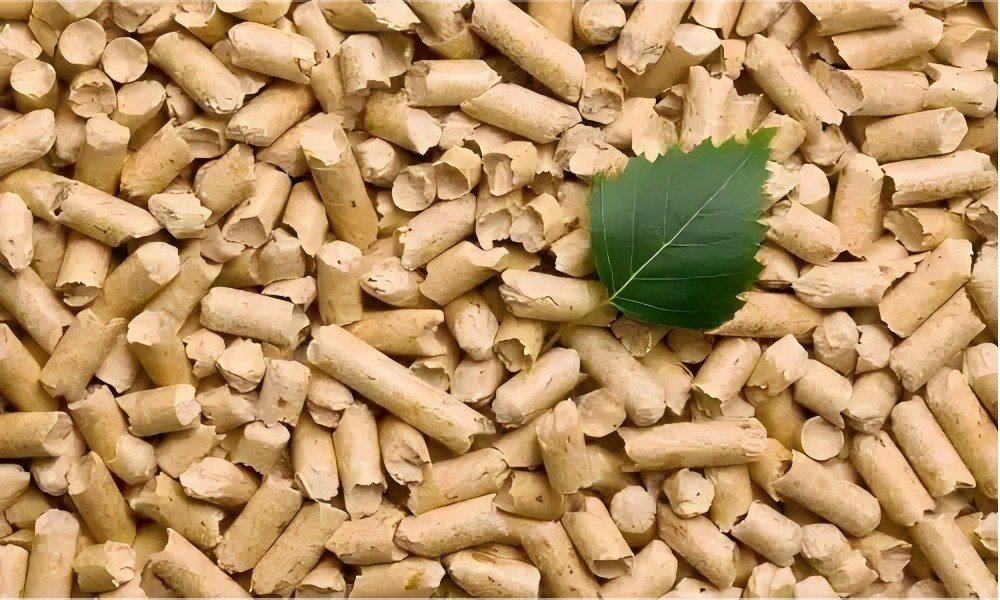
Every year, agriculture produces billions of tons of residues such as straw, rice husks, corn stalks, sugarcane bagasse, and other biomass materials. Traditionally, these residues were burned or discarded, causing severe environmental pollution and wasting valuable energy resources. However, modern technology has transformed this situation by converting agricultural waste into high-value biomass pellets.
For investors, this industry presents a unique opportunity. With increasing demand for clean energy, supportive government policies, and abundant raw materials, agricultural waste pellet processing offers strong long-term profitability and sustainability.
At the center of this production system is equipment such as the wheat straw pellet machine, which plays a critical role in converting raw biomass into standardized fuel pellets. This article explores why investing in agricultural waste pellet processing is a smart and future-oriented decision.
1. Growing Global Demand for Renewable Energy
One of the strongest reasons to invest in agricultural waste pellet processing is the rapidly increasing global demand for renewable energy.
Key drivers include:
- Climate change and carbon reduction goals
- Declining fossil fuel reserves
- Rising energy prices
- Government renewable energy policies
- Industrial transition toward sustainability
Countries around the world are actively reducing dependence on coal and oil. Biomass pellets have emerged as a practical alternative because they are:
- Carbon-neutral
- Renewable
- Widely available
- Easy to store and transport
This growing demand creates a stable and expanding market for pellet production businesses.
2. Abundant and Low-Cost Raw Materials
Agricultural waste is one of the most abundant biomass resources globally.
Common raw materials include:
- Wheat straw
- Rice straw
- Corn stalks
- Rice husks
- Sugarcane bagasse
- Peanut shells
- Cotton stalks
In many agricultural regions, these materials are:
- Free or very low cost
- Readily available after harvest
- Often treated as waste
This creates a strong cost advantage for investors. Raw material availability is rarely a limiting factor, which significantly reduces production risk.
3. High Profit Potential in Pellet Production
Agricultural waste pellet processing offers strong profit margins when properly managed.
Revenue sources include:
- Biomass pellet sales to industrial users
- Contracts with power plants
- Export markets for clean energy fuel
- Heating fuel distribution networks
Cost advantages:
- Low raw material cost
- Scalable production systems
- Efficient energy utilization
When production is optimized using equipment like a wheat straw pellet machine, unit production costs decrease significantly, increasing overall profitability.
https://pelletisingmachine.com/straw-pellet-mill
4. Government Policies and Financial Incentives
Governments worldwide are actively supporting renewable energy development.
Common policy supports include:
- Subsidies for biomass energy projects
- Carbon tax reductions
- Renewable energy incentives
- Restrictions on agricultural burning
- Investment tax credits
These policies create a favorable investment environment and reduce financial risk.
In many regions, farmers are even required to stop burning straw and instead supply it to biomass processing facilities, ensuring a stable raw material supply chain.
5. Environmental Benefits Increase Market Value
Environmental sustainability is not just a moral concern—it is also a major economic driver.
Agricultural waste pellet processing helps:
5.1 Reduce air pollution
Eliminates open-field burning of crop residues, reducing smoke and particulate emissions.
5.2 Lower greenhouse gas emissions
Biomass pellets are carbon-neutral, helping reduce carbon footprints.
5.3 Improve waste management
Converts agricultural residues into useful energy instead of landfill waste.
These environmental benefits increase the attractiveness of the industry to investors, governments, and consumers.
6. Industrial Applications of Biomass Pellets
The demand for biomass pellets continues to expand across multiple industries.
6.1 Power generation
Biomass pellets are used in:
- Dedicated biomass power plants
- Coal co-firing systems
6.2 Industrial heating
Factories use pellets for steam production and thermal energy.
6.3 Residential heating
Pellet stoves provide efficient and clean heating in homes.
6.4 Cement and steel industries
These energy-intensive industries use pellets as alternative fuels.
This wide application base ensures stable and long-term market demand.
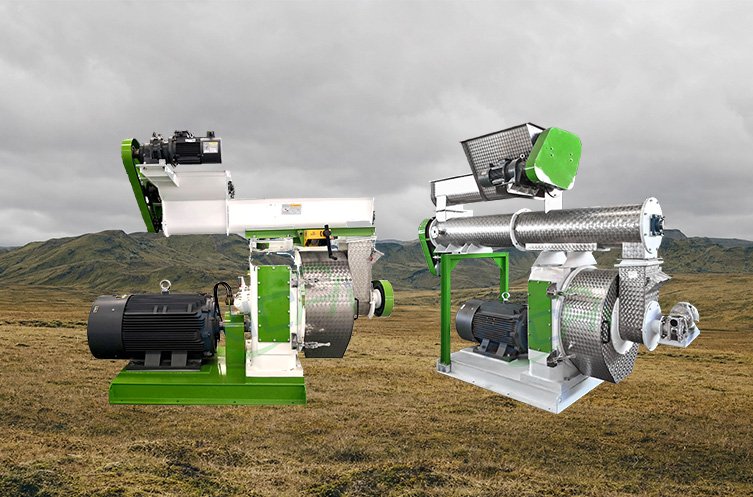
7. Role of Wheat Straw Pellet Machine in Investment Success
The wheat straw pellet machine is one of the most important components in a pellet production line. (try this website)
7.1 Core function
It compresses loose wheat straw into dense, uniform pellets suitable for fuel use.
7.2 Impact on production efficiency
- Higher output capacity reduces production cost per ton
- Stable operation ensures continuous production
- Efficient energy usage improves profitability
7.3 Impact on product quality
- Produces consistent pellet size
- Improves density and durability
- Enhances combustion performance
7.4 Impact on return on investment
A high-quality wheat straw pellet machine directly influences:
- Production stability
- Maintenance cost
- Energy consumption
- Market competitiveness
For investors, choosing the right equipment is critical to long-term success.
8. Scalability of Pellet Processing Plants
One of the strongest advantages of this industry is scalability.
Investment models include:
- Small rural processing units
- Medium-sized commercial plants
- Large industrial biomass factories
A wheat straw pellet machine can be integrated into different production capacities, allowing investors to start small and expand gradually as demand grows.
This flexibility reduces entry barriers and investment risk.
9. Stable and Expanding Global Market
The global biomass pellet market is expanding rapidly.
Key market trends:
- Increasing exports from agricultural countries
- Rising demand in Europe and Asia
- Growth of carbon-neutral energy systems
- Expansion of biomass heating networks
Countries with abundant agricultural waste are becoming major exporters of biomass fuel, creating international business opportunities.
10. Technological Advancements Improve Profitability
Modern pellet processing technology has significantly improved efficiency and output quality.
Innovations include:
- Automated production systems
- Intelligent temperature and moisture control
- Wear-resistant machine components
- Energy-efficient motors
- Integrated production line design
Advanced wheat straw pellet machines now offer higher efficiency and lower operational costs, improving investment returns.
11. Risk Factors and Challenges
Like any industry, agricultural waste pellet processing has challenges:
11.1 Raw material logistics
Collection and transportation of straw can be complex.
11.2 Seasonal supply
Agricultural residues are seasonal in some regions.
11.3 Equipment investment
Initial capital costs can be relatively high.
11.4 Market price fluctuations
Energy prices may affect profit margins.
However, these risks can be managed through proper planning and technology selection.
12. Strategies to Maximize Investment Returns
Investors can improve profitability through several strategies:
12.1 Optimize raw material sourcing
Partner directly with farmers to secure low-cost straw supply.
12.2 Use efficient equipment
Invest in a high-performance wheat straw pellet machine to reduce operational costs.
12.3 Improve production efficiency
Integrate crushing, drying, pelletizing, and cooling systems.
12.4 Focus on product quality
High-quality pellets access premium markets and export opportunities.
12.5 Scale gradually
Start with small capacity and expand as market demand grows.
13. Future Outlook of the Industry
The future of agricultural waste pellet processing is extremely promising.
Key trends include:
- Global transition to renewable energy
- Expansion of carbon trading systems
- Increased biomass power generation
- Stronger environmental regulations
- Technological automation and AI integration
These trends will continue to drive growth in demand for pellet production systems and equipment such as wheat straw pellet machines.
Conclusion
Investing in agricultural waste pellet processing is a strategic decision with strong long-term potential. The industry benefits from abundant raw materials, rising global energy demand, supportive government policies, and strong environmental advantages.
At the heart of this system is the wheat straw pellet machine, which enables efficient conversion of agricultural residues into valuable renewable fuel.
For investors seeking a stable, scalable, and environmentally responsible business opportunity, agricultural waste pellet processing offers an ideal combination of profitability and sustainability in the growing global green energy market. (Richi Manufacture)